Most buyers judge construction by the finishes — flooring, paint, tiles. Those matter. But the biggest factor in build quality is hidden by the time you see the flat: how the concrete structure itself was formed.
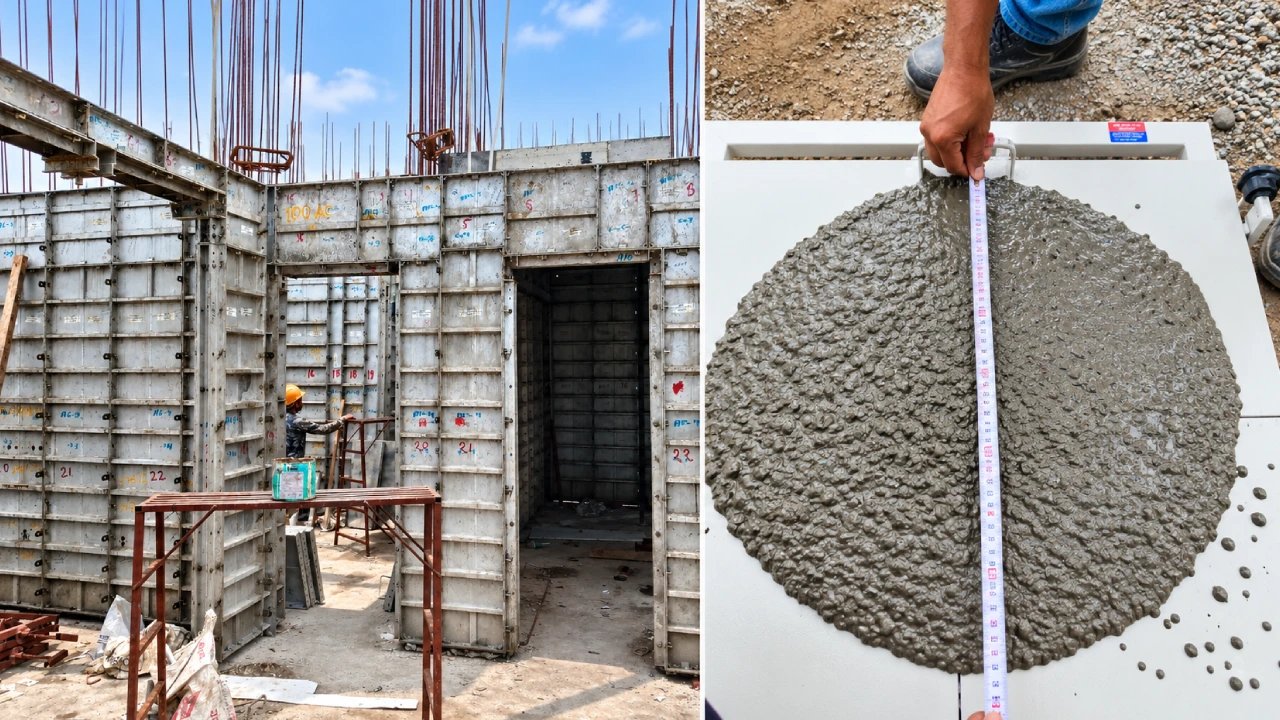
Formwork is the mould into which concrete is poured to make walls, columns and slabs. Traditional construction uses timber shuttering — wooden panels assembled on site for each pour. Aluminium formwork uses precision-made, reusable aluminium panels that lock together accurately.
The result is walls that are flatter and more consistent. Tiles sit more evenly, paint finishes better, less plaster is needed to correct the surface, and the structure is more dimensionally accurate.
With timber, quality can vary floor to floor — depending on the crew, the weather and the condition of the wood. With aluminium formwork, the panels, the setup and the process are the same every time. A flat on the second floor and one on the tenth are built to the same standard. That consistency also means fewer snags to fix before handover.
Keystone Elevate is the first residential project in Wardha built with aluminium shuttering. Combined with self-compacting concrete and regular on-site testing, it sets a new construction benchmark for the city.
Show you the tests. Not the ones staged for a photo — the routine checks done on site, in rain and heat, when no visitors are expected. A developer who shares this regularly is not afraid of what it reveals.
Slump Cone Test. Measures workability — how easily fresh concrete flows into place. A metal cone is filled with concrete and lifted; how much it “slumps” shows its consistency. Too much means excess water and weaker concrete; too little means it may not fill the mould properly.
V-Funnel Test (for self-compacting concrete). SCC must flow into tight spaces around steel reinforcement under its own weight, without vibration. This test times how quickly it flows through a funnel, confirming the mix will settle correctly into every corner.
Moisture Content Test. Measures moisture in sand and aggregate before mixing. Extra moisture changes the water–cement ratio and weakens the concrete, so the mix is corrected before it is made.
Anyone can pass a test they know is coming. The value of routine testing is the culture it creates: when every batch is checked and recorded, shortcuts become visible — and the whole site works to a higher standard.
 Explore More

Amenities Are Not a List. They Are a Way of Life. The real test of an amenity list...
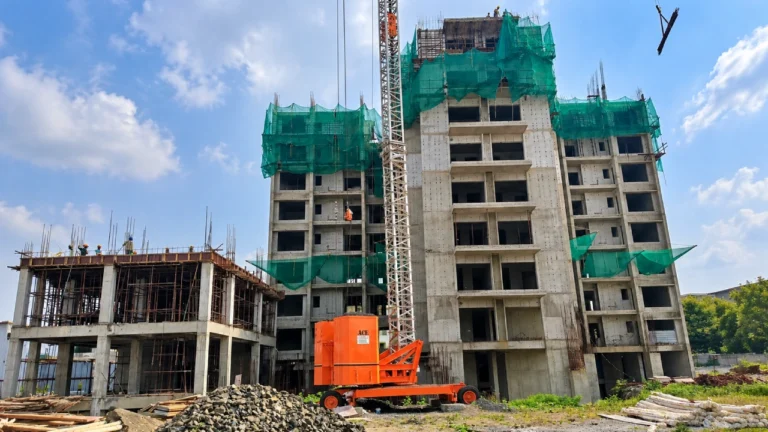
Why Monthly Updates Matter A construction update is not marketing. It is accountability. Every update from Keystone Elevate...

Beyond the Label — What Green Building Actually Delivers Green ratings in India range from meaningful to cosmetic....