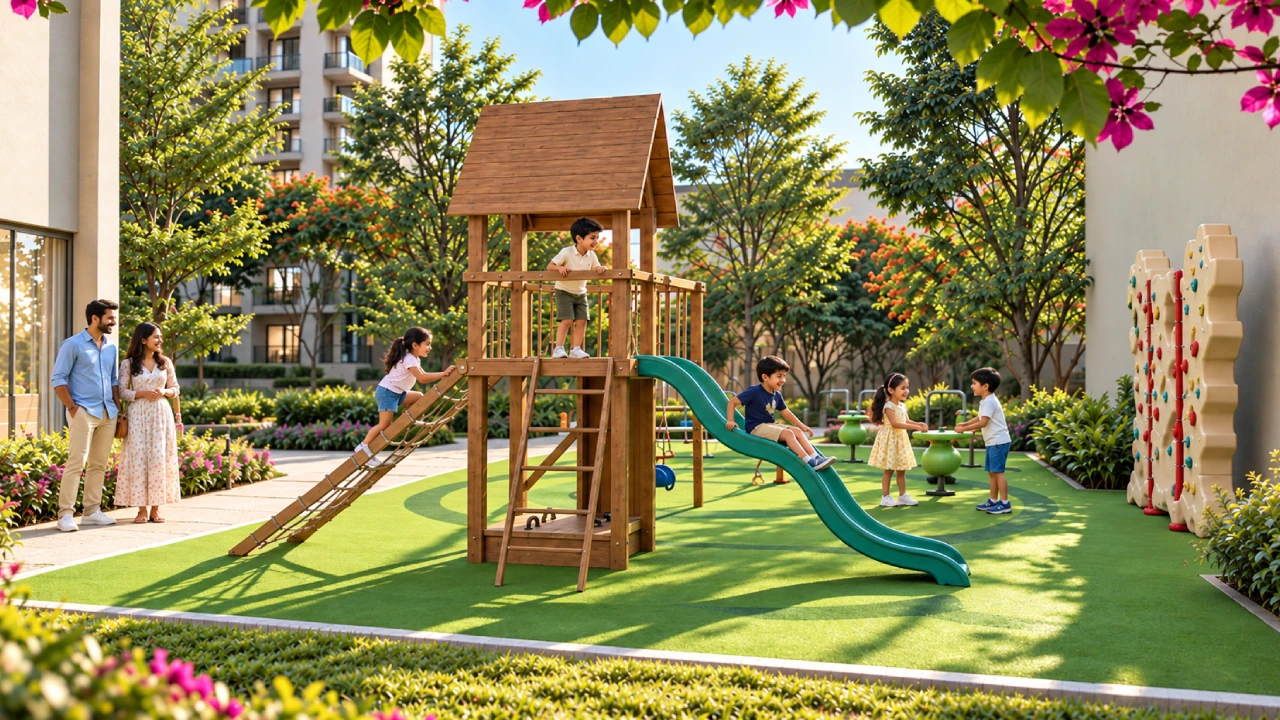
In a vehicle-free community, cars and bikes stay in designated parking and drop-off areas. Inside the landscaped campus, there are only people — pathways for walking, places to sit, and space for children to run without a parent’s hand reaching out every few seconds.
We accept cars inside residential campuses as normal. But they demand right of way, bring noise and fumes, take up space that could be gardens, and create a constant background risk in areas meant for families. Most residents only notice the reversing beeps and horns when they are gone — and the silence is remarkable.
Vehicle-free zones are one of the core design principles at Keystone Elevate. Parking and vehicle movement are kept away from the central landscape, so the lawns, walkways, play areas and temple garden remain pedestrian. Residents still have their car close at hand — it just does not share space with their children.
Parents in vehicle-free communities often remember the first time their child ran across the path without them instinctively reaching out. Not because they cared less — but because the space had been designed so that caring could look like watching, not holding back.
When the risk of vehicles is removed, parents allow more free play. Children make more of their own decisions, explore their surroundings and make friends with other kids in the community. Regular outdoor play builds stronger motor skills, better social judgement and better sleep than a childhood spent mostly indoors on screens.
Some of the most common risks to children in residential campuses come from slow-moving and reversing vehicles. Keeping cars away from play and garden areas removes that risk from everyday life.
For Wardha families where both parents work, a safe, open space for children close to home is invaluable. At Keystone Elevate, vehicle-free zones combine with dedicated play areas, a net cricket zone, badminton, basketball, walking tracks and a rooftop pool — so children grow up with space, activity and friendships right where they live.
Families compare bedroom sizes, kitchen finishes and price per square foot. They rarely ask: how much real outdoor play space does this community have for children? They find out later — when a seven-year-old is stuck on a balcony or in a corridor because there is nowhere else to go.
Physical growth: running, jumping, climbing and balancing build strength and coordination that indoor play cannot.
Social skills: outdoor games teach negotiation, teamwork and leadership in a way screens never will.
Thinking skills: free, unstructured play encourages creativity, problem-solving and planning.
 Explore More
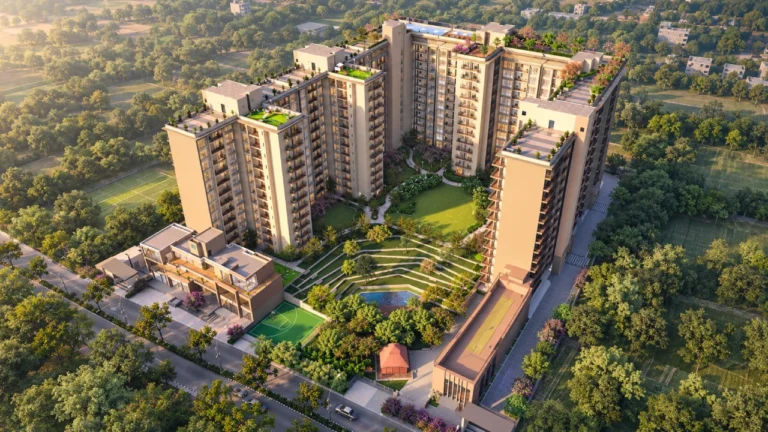
Amenities Are Not a List. They Are a Way of Life. The real test of an amenity list...
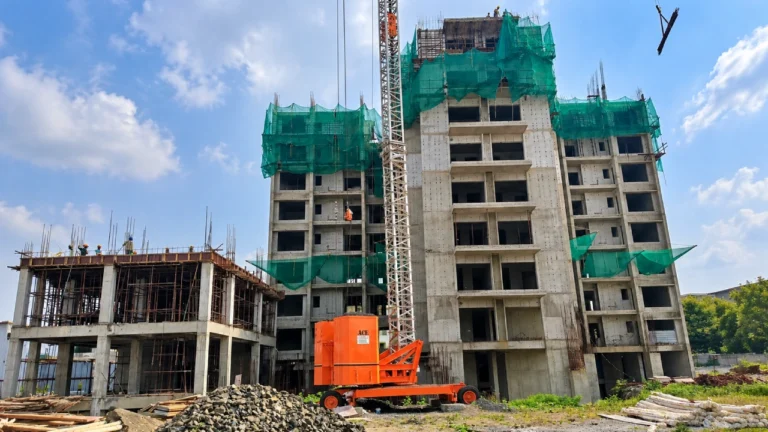
Why Monthly Updates Matter A construction update is not marketing. It is accountability. Every update from Keystone Elevate...
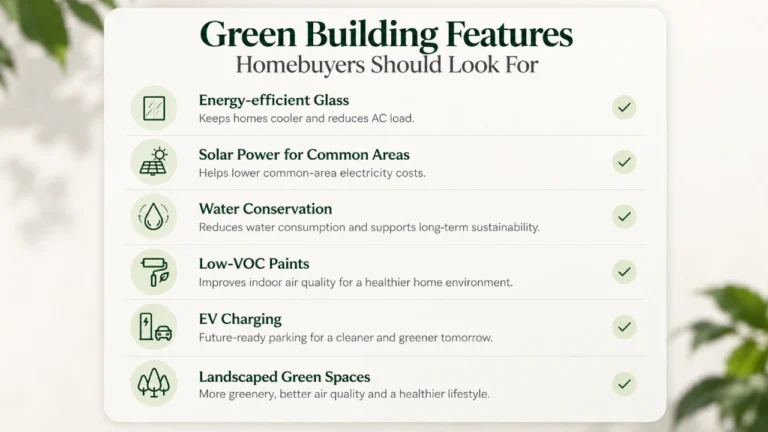
Beyond the Label — What Green Building Actually Delivers Green ratings in India range from meaningful to cosmetic....